

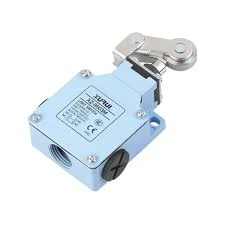
A micro switch operates using a snap-action mechanism that allows the internal contacts to change state rapidly when the actuator is pressed. This design ensures reliable operation even with small mechanical movements, reducing the risk of errors in circuits. The combination of long life, compact size, and dependable performance has made micro switches a staple in automation, control systems, and safety mechanisms.
Micro Switch Design and Operational Advantages
The micro switch is distinguished by its internal design and snap-action mechanism. It typically consists of a small actuator, a spring, and electrical contacts. When pressure is applied to the actuator, the spring releases tension to quickly move the contacts, turning the circuit on or off. This fast and precise movement ensures accurate operation, which is particularly valuable in applications where timing and consistency are critical.
Durability is a major advantage of micro switches. They are engineered to withstand millions of cycles without failure, making them ideal for industrial machinery, automated systems, and high-frequency applications. Unlike conventional switches that may wear out due to mechanical friction, micro switches provide long-term reliability with minimal maintenance.
Another key benefit is versatility. Micro switches are available in various actuator types, such as levers, plungers, and roller designs. This allows them to be integrated into diverse systems and equipment while maintaining precise performance. Their compact form factor enables use in tight spaces without compromising functionality, making them suitable for modern electronic devices and machinery.
Micro Switch Applications Across Industries
Micro switches are used in numerous industries and consumer applications due to their precision and reliability. In manufacturing, they serve as limit switches to monitor the position of machinery components. This ensures safety and proper functioning of automated production lines, conveyor belts, and packaging systems. The accuracy of micro switches helps prevent mechanical errors and enhances efficiency in complex operations.
In household electronics, micro switches are found in devices such as washing machines, microwave ovens, and refrigerators. They detect door closures, activate safety mechanisms, or trigger specific device functions. Their sensitivity and reliability make them ideal for consumer appliances where safety and performance are paramount.
The automotive industry also benefits from micro switches. They are used in door locks, seatbelt detection, and control panels, providing precise operation in critical safety systems. Micro switches ensure that safety mechanisms activate consistently, protecting both passengers and the vehicle. Additionally, electronics such as printers, vending machines, and gaming controllers rely on micro switches for accurate input detection, enabling seamless functionality and user control.
Micro Switch Selection and Technical Considerations
Choosing the appropriate micro switch requires evaluating technical specifications to ensure compatibility and optimal performance. Electrical ratings, including voltage and current handling capacity, must match the requirements of the application. Actuator type, mounting options, and environmental resistance are also essential considerations.
Environmental factors, such as temperature range, humidity, and exposure to dust or moisture, influence the choice of micro switch. Many switches are available with sealed or protected housings to maintain performance in harsh conditions. Ensuring proper environmental resistance extends the life of the switch and prevents malfunction.
Operational requirements, such as switching frequency and duty cycle, must also be assessed. High-quality micro switches are designed to handle millions of cycles with consistent performance, making them suitable for demanding industrial and commercial applications. Integration with control systems, PLCs, or other electronics should be carefully considered to ensure seamless communication and functionality.
Reliability and longevity are key factors in selecting a micro switch. Investing in quality components ensures consistent operation, reduces maintenance costs, and supports long-term system efficiency. This makes micro switches a cost-effective and practical solution for precision control across a wide range of applications.
Conclusion
The Micro Switch is a compact, durable, and highly reliable solution for precise electrical control. Its snap-action mechanism, long operational life, and versatility make it an essential component in industrial automation, consumer electronics, automotive systems, and more. By providing fast and accurate response in a small form factor, micro switches enhance efficiency, safety, and overall system performance.
Selecting the right micro switch ensures consistent operation, ease of integration, and durability in demanding environments. Its combination of precision, adaptability, and long-term reliability makes the micro switch a vital element in modern electrical and electronic systems.

