

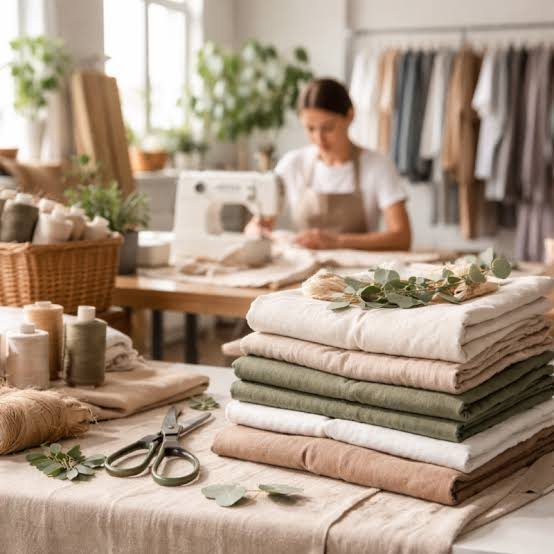
Bangladesh has developed a strong position in the international apparel industry, supplying garments to markets around the world. Its manufacturing sector produces a broad selection of clothing, including T-shirts, polo shirts, hoodies, sweatshirts, shirts, trousers, denim, jackets, uniforms, activewear, children's clothing, and fashion apparel. With the growing demand for customized products, manufacturers are also supporting businesses that want their own fabrics, designs, measurements, branding, finishes, and packaging.
Custom clothing manufacturing gives brands greater control over their products. Instead of purchasing ready-made garments and adding basic branding, companies can collaborate with a custom clothing manufacturer in Bangladesh to develop apparel around their own concepts. This can help brands create a stronger identity and offer products that are better aligned with their customers' preferences.
Custom Clothing Manufacturing in Bangladesh
A professional custom clothing manufacturer Bangladesh can support a garment from the early design stage through final production. Depending on the manufacturer's capabilities, the process may include fabric sourcing, pattern development, sample creation, cutting, sewing, printing, embroidery, washing, finishing, quality inspection, packaging, and shipment preparation.
The process often begins with a design concept or technical specification. A brand may provide a tech pack containing garment measurements, fabric details, colors, artwork, construction instructions, and other product requirements. Manufacturers can use these specifications to create samples for review before bulk production begins.
Customization is one of the main advantages of this manufacturing model. Brands can select fabrics, colors, garment fits, stitching details, trims, buttons, zippers, labels, and other components according to their product vision. This flexibility is especially valuable for fashion companies that want to create recognizable collections.
Fabric selection plays an important role in custom apparel. Cotton is commonly used for casual clothing because of its comfort and versatility, while fleece may be selected for hoodies and sweatshirts. Denim can be used for jeans and jackets, while polyester and stretch blends may be appropriate for sportswear and performance garments. The right material depends on the product's intended use, appearance, comfort, durability, and target market.
Bangladesh also benefits from an extensive apparel supply chain. Garment manufacturers can work with textile mills, fabric suppliers, dyeing and finishing facilities, printing businesses, embroidery providers, accessories suppliers, packaging companies, and logistics services. This interconnected environment can make custom garment production more efficient.
Custom Apparel and Private Label Production
Custom clothing manufacturing is closely connected with private-label fashion. A business can create its own designs and have them manufactured under its own brand name. This allows the company to develop a distinctive product range without investing in its own factory.
A custom clothing manufacturer in Bangladesh can produce garments with customized labels, hangtags, logos, embroidery, printing, packaging, and other branding elements. These details can help create a consistent brand experience from the garment itself to the packaging received by the customer.
Private-label clothing is particularly attractive to ecommerce businesses. Online fashion stores operate in highly competitive markets, where distinctive products can help a brand stand apart from competitors. Custom garments can give businesses greater control over product design, fit, materials, and overall presentation.
Sampling is an essential part of the custom apparel process. Before approving a large production order, a brand can inspect a sample to evaluate its fit, measurements, fabric quality, color, construction, branding, and finishing. If modifications are necessary, the manufacturer can make adjustments before bulk manufacturing begins.
This stage can reduce the risk of costly production problems. A small change in sleeve length, neckline, fabric weight, stitching, or logo placement can significantly affect the final garment. Reviewing samples carefully allows brands to refine their products before committing to large quantities.
Custom clothing production can also support different business sizes. A new fashion startup may begin with a small collection, while an established retailer may require much larger quantities. The appropriate manufacturing partner depends on the brand's product category, order volume, budget, and growth plans.
Quality, Branding, and Sustainable Production
Quality control is a major consideration when selecting a custom clothing manufacturer Bangladesh. Custom products represent the brand directly, so inconsistent quality can affect customer satisfaction and the company's reputation.
Manufacturers need to maintain consistent measurements, fabric specifications, stitching, colors, printing, embroidery, and finishing across production runs. Quality checks at different stages can help identify problems before finished garments are packaged and shipped.
Garment durability is also important. Customers expect clothing to maintain its appearance and construction through regular use and washing. Depending on the product category, brands may need to consider fabric strength, colorfastness, shrinkage, seam durability, and overall construction.
Branding is another important component of custom apparel. A clothing brand can incorporate its identity through woven labels, printed neck labels, embroidered logos, hangtags, custom packaging, and other details. When these elements are carefully coordinated, the finished product can provide a more professional and recognizable customer experience.
Sustainability is becoming increasingly important in modern fashion manufacturing. Brands and consumers are paying greater attention to fabric sourcing, waste reduction, energy efficiency, water usage, and responsible production practices. Some Bangladeshi garment manufacturers have invested in modern facilities and sustainability initiatives to meet changing expectations within the global apparel market.
Brands interested in sustainable clothing can explore materials such as recycled fibers or responsibly sourced fabrics where appropriate. However, sustainability should be considered alongside garment performance, durability, comfort, production requirements, and the expectations of the target market.
Custom manufacturing can also support more efficient product planning. Instead of producing generic garments that may not match customer demand, brands can develop collections based on their own market research and product strategy. Better alignment between product design and customer demand can help businesses manage their inventory more effectively.
Choosing the Right Custom Clothing Manufacturer Bangladesh
Selecting the right supplier is an important part of successful apparel production. Different factories specialize in different clothing categories, production volumes, fabrics, and manufacturing techniques. A company producing basic cotton T-shirts may have different capabilities from a factory specializing in technical activewear or premium fashion garments.
Businesses should therefore evaluate whether a manufacturer's expertise matches their specific requirements. Production capacity, customization options, fabric sourcing, sample development, quality control, minimum order quantities, and export experience can all influence supplier selection.
Communication is particularly important when producing customized clothing. Small misunderstandings about measurements, fabric composition, colors, artwork, or construction can result in products that do not match the original concept. Clear technical documentation and approved samples can help reduce these risks.
Order quantities should also be discussed before production begins. Some factories are designed for large-scale manufacturing, while others may be better suited to smaller production runs. Finding a supplier whose minimum order requirements fit the brand's current stage can make the manufacturing relationship more practical.
Pricing should not be the only factor in the decision. A low production quotation may not provide good value if quality is inconsistent, communication is poor, or delivery schedules are unreliable. Businesses should evaluate the overall balance between cost, quality, customization, production capability, and reliability.
Delivery planning is also essential for international brands. Custom clothing may need to arrive before a seasonal collection launch, promotional campaign, retail release, or ecommerce marketing event. Production timelines should therefore be discussed clearly, including sampling, bulk manufacturing, inspection, packaging, and shipment preparation.
A long-term relationship with a reliable custom clothing manufacturer in Bangladesh can provide additional benefits. As the manufacturer becomes familiar with a brand's preferred fabrics, sizing, construction standards, branding, and packaging, repeat orders and new product development can become more efficient.
Conclusion
Working with a custom clothing manufacturer Bangladesh
can provide fashion brands and apparel businesses with an effective way to create unique garments while using an established international manufacturing ecosystem. Bangladesh offers extensive garment production experience, skilled workers, textile resources, and capabilities across numerous apparel categories.
Custom manufacturing allows brands to control important aspects of their products, including fabric, fit, colors, construction, labels, logos, printing, embroidery, and packaging. This makes the approach suitable for private-label brands, ecommerce businesses, retailers, fashion startups, sportswear companies, corporate uniform suppliers, and established clothing brands.

