

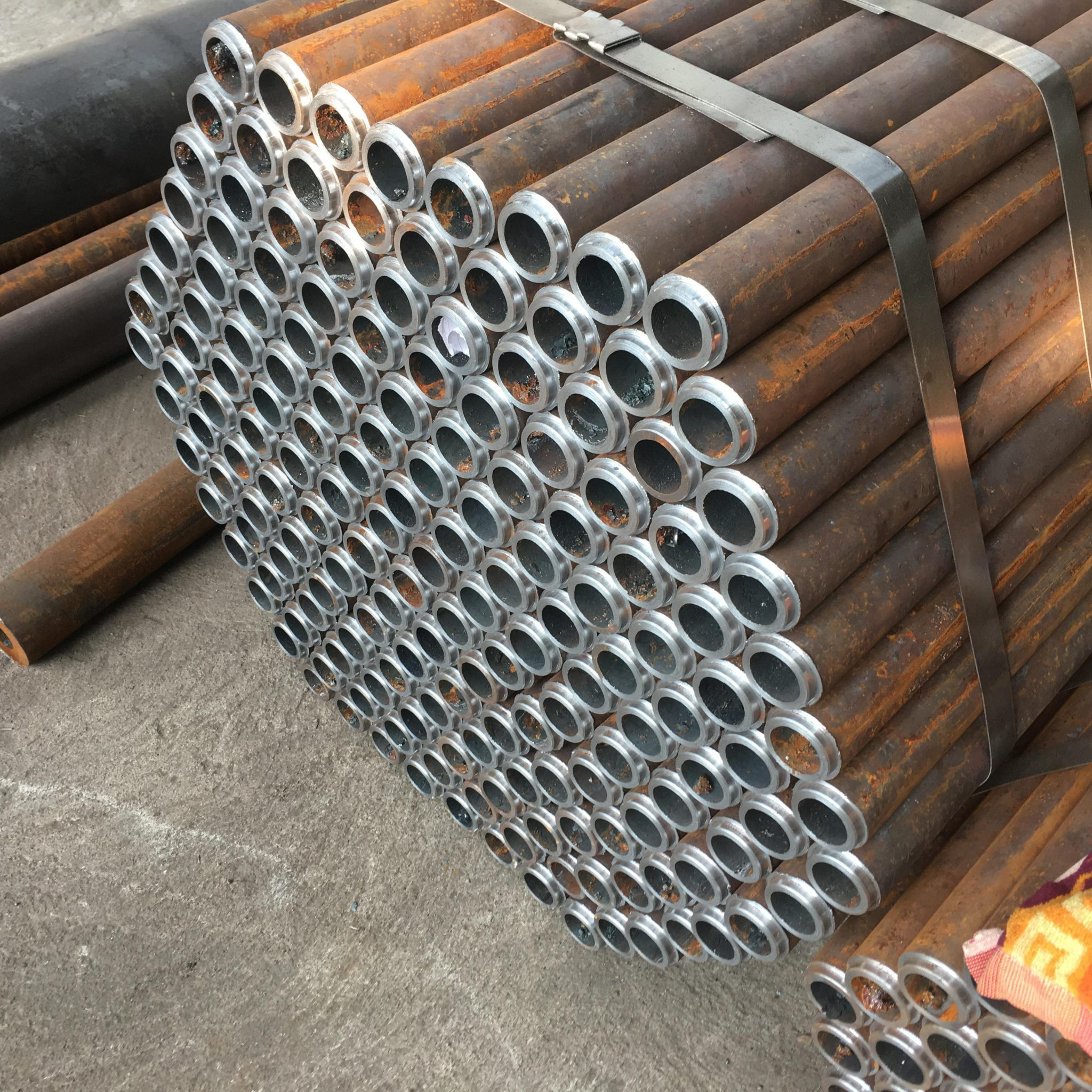
Industries such as oil and gas, power generation, petrochemical processing, construction, manufacturing, automotive engineering, and mechanical production depend on reliable steel piping for transporting fluids and supporting industrial equipment. With different grades, sizes, wall thicknesses, and manufacturing standards available, seamless steel pipe can be selected according to the technical requirements of individual projects.
The growing demand for carbon steel seamless pipe, alloy steel seamless pipe, and stainless steel seamless pipe demonstrates the versatility of this product. Understanding its construction, specifications, applications, and selection considerations can help engineers, contractors, and buyers choose a suitable piping solution while supporting long-term system performance.
Seamless Steel Pipe Structure and Performance
seamless steel pipe is manufactured from a solid steel billet. During production, the billet is heated and pierced to create a hollow section. Additional forming and sizing processes are then used to achieve the required diameter, wall thickness, length, and mechanical characteristics. Because the pipe does not contain a longitudinal weld, its structure remains continuous throughout the tubular body.
This continuous construction is one reason seamless steel pipe is widely considered for demanding pressure applications. When manufactured and specified correctly, it can provide strong mechanical performance and resistance to internal pressure within its approved design conditions. However, the absence of a weld is only one aspect of pipe quality. Material composition, heat treatment, manufacturing controls, dimensions, testing, installation, and operating conditions also have a major influence on performance.
Carbon steel seamless pipe is frequently used in general industrial applications because carbon steel provides a useful balance between strength, durability, availability, and cost. It can be suitable for transporting water, oil, gas, steam, and other industrial fluids.
Alloy steel seamless pipe contains additional alloying elements that can improve selected mechanical and thermal properties. These pipes can be used in demanding applications where higher-temperature performance or specialized material characteristics are required.
Stainless steel seamless pipe is generally selected when corrosion resistance is an important requirement. Stainless steel can offer resistance to moisture and many corrosive environments, making it suitable for chemical processing, food and beverage equipment, pharmaceutical facilities, marine applications, and specialized industrial systems.
The correct material depends on the operating environment. Engineers generally consider temperature, pressure, transported fluid, corrosion exposure, mechanical loading, required service life, and applicable standards before selecting a seamless pipe grade.
Seamless Steel Pipe Grades and Industry Standards
Seamless steel pipe is available in many grades and specifications designed for different operating environments. Industry standards help manufacturers maintain consistent requirements for chemical composition, mechanical properties, dimensions, testing, and manufacturing procedures.
ASTM, ASME, API, and other recognized standards are frequently referenced in industrial piping projects. ASTM A106 seamless carbon steel pipe, for example, is widely associated with high-temperature service. Other specifications are intended for different applications and performance requirements, so buyers should always confirm the exact standard required for their project.
Pipe dimensions are equally important when selecting seamless steel pipe. Products can be manufactured in different nominal sizes, outside diameters, wall thicknesses, schedules, and lengths. Wall thickness affects pressure resistance and structural strength, while pipe diameter can influence fluid flow and overall system capacity.
Quality control is an essential part of seamless pipe manufacturing. Depending on the applicable specification, manufacturers may conduct chemical composition analysis, tensile testing, hardness testing, hydrostatic testing, dimensional inspection, and other examinations. Material test certificates and inspection documentation can help buyers verify that the product complies with specified technical requirements.
For specialized projects, buyers may also have requirements for heat treatment, surface condition, end finishing, marking, packaging, and third-party inspection. Clear technical communication between the project engineer, procurement team, and seamless steel pipe manufacturer can help ensure that the final product meets the required specification.
Seamless Steel Pipe Applications and Industrial Uses
Seamless steel pipe is used across numerous industries because of its combination of strength and versatility. The oil and gas industry is one of the most important application sectors. Oil and gas facilities require piping that can operate under demanding pressure and temperature conditions. Seamless pipe may be used in processing equipment, transportation systems, drilling-related applications, and other energy infrastructure.
Power generation facilities also use seamless steel pipe in applications involving steam, water, and other process fluids. Boiler systems, heat exchangers, steam lines, and related equipment can require steel piping capable of maintaining suitable performance at elevated temperatures and pressures. In specialized applications, alloy steel seamless pipe can provide useful high-temperature mechanical properties.
The petrochemical and chemical industries rely on piping systems to transport liquids, gases, and process materials. These environments can involve corrosive substances, temperature variations, and high operating pressures. Selecting a suitable steel grade and pipe specification is therefore essential for supporting reliable service.
Mechanical engineering is another major area for seamless steel pipe. Depending on its dimensions and material grade, it can be incorporated into hydraulic equipment, industrial machinery, automotive components, manufacturing systems, and specialized mechanical structures.
Construction and infrastructure projects can also use steel pipe for mechanical and structural purposes. Seamless steel pipe can provide useful strength and durability where its technical characteristics match the project requirements. In environments where carbon steel may be exposed to moisture or corrosive conditions, suitable protective coatings and maintenance practices can help support long-term service.
Seamless Steel Pipe Selection and Long-Term Value
Selecting seamless steel pipe requires careful consideration of the complete application. Pressure, temperature, fluid characteristics, corrosion conditions, dimensions, connection methods, installation environment, and applicable standards all influence the final product selection.
Wall thickness is especially important because it affects the pipe's ability to withstand internal pressure and external mechanical loads. Engineers should determine suitable dimensions according to recognized design standards and actual operating requirements. Correct diameter selection is also necessary to achieve appropriate flow characteristics and system efficiency.
Material grade should be selected according to service conditions rather than initial price alone. Carbon steel seamless pipe can be an economical solution for many conventional applications. Stainless steel seamless pipe may provide greater value in corrosive environments, while alloy steel seamless pipe can be appropriate for specialized high-temperature services.
Supplier reliability is another important consideration. A reputable seamless steel pipe manufacturer should be able to provide consistent material quality, accurate dimensions, appropriate certifications, inspection documentation, and dependable production capabilities. Reliable sourcing can reduce the risk of material inconsistencies and project delays.
Long-term cost should also be considered. The most economical pipe is not necessarily the product with the lowest initial purchase price. Service life, maintenance, corrosion protection, installation requirements, and operating performance can all affect total project costs. A correctly specified seamless steel pipe can provide dependable service and help reduce unnecessary maintenance over its working life.
Conclusion
Seamless steel pipe remains an important solution for industrial systems that demand strength, durability, and reliable performance. Its continuous construction and broad range of available grades and dimensions make it suitable for demanding applications across oil and gas, power generation, petrochemical processing, construction, manufacturing, and mechanical engineering.
Carbon steel seamless pipe offers a practical solution for many general industrial systems, while alloy steel seamless pipe can support specialized applications involving higher temperatures and demanding mechanical conditions. Stainless steel seamless pipe provides an attractive option when corrosion resistance is a major concern.

