

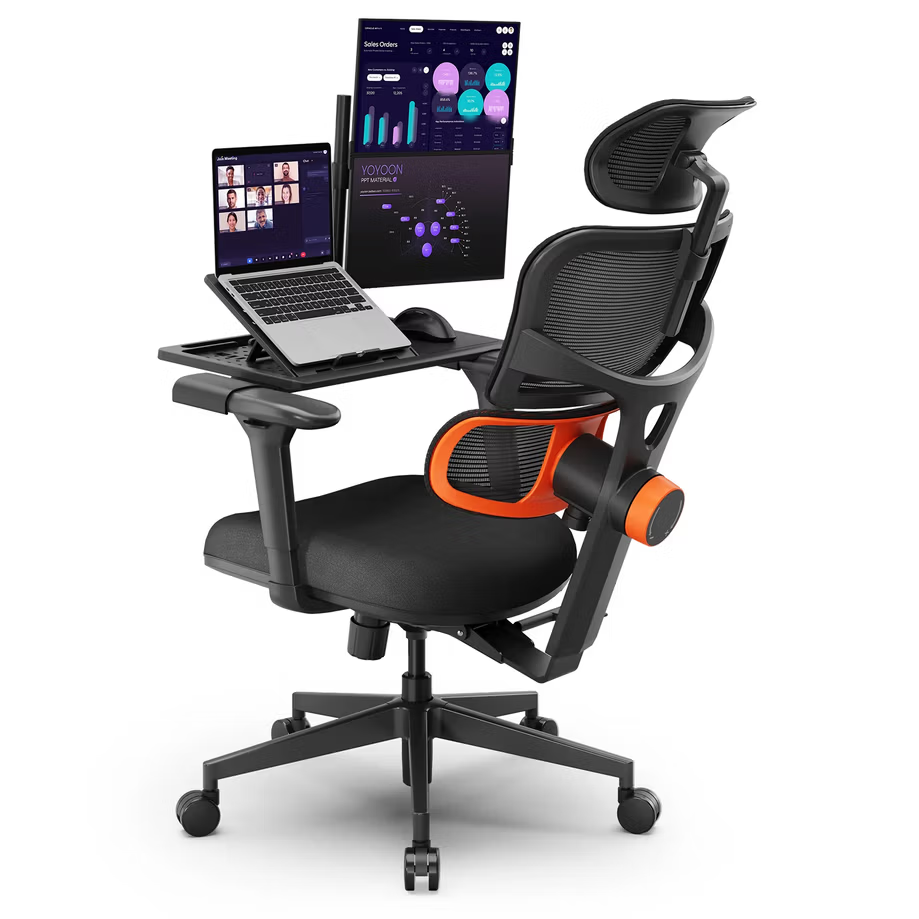
The significance of investing in an ergonomic chair extends beyond comfort. Long-term use of poorly designed seating can lead to chronic back pain, spinal misalignment, and reduced productivity. High-quality ergonomic chairs feature adjustable components, such as seat height, lumbar support, armrests, and tilt angles, allowing users to customize their seating position according to individual body dimensions and work habits. These features are essential for creating a personalized seating experience that supports health and efficiency.
Modern ergonomic chairs often incorporate advanced materials such as breathable mesh, memory foam, and reinforced frames. These materials enhance durability while maintaining comfort. Some designs include dynamic seating technology that encourages micro-movements, which promotes circulation and prevents stiffness. With an ergonomic chair, professionals can maintain focus, reduce fatigue, and foster long-term physical well-being.
Can Ergonomic Chairs Improve Posture and Reduce Health Strain?
A primary advantage of the ergonomic chair lies in its ability to promote proper posture and minimize physical strain. Poor seating habits can lead to slouching, compressed spinal discs, and tension in the neck and shoulders. Ergonomic chairs are engineered to prevent these issues by supporting the natural curvature of the spine and aligning the pelvis. Adjustable lumbar support ensures continuous support for the lower back, reducing discomfort and preventing long-term spinal complications.
Seat height adjustment is another critical feature, enabling users to position their feet flat on the floor while maintaining knees and hips at comfortable angles. This alignment improves blood circulation and reduces lower back stress. Adjustable armrests further relieve strain on the shoulders and neck, allowing arms to rest naturally during typing or other desk tasks. High-density foam and breathable mesh materials provide comfort and maintain temperature regulation, contributing to a pleasant seating experience even during long hours of work.
Regular use of an ergonomic chair can prevent musculoskeletal disorders, chronic pain, and fatigue. By maintaining proper posture and spinal alignment, these chairs support both physical health and mental focus. Individuals with pre-existing back or neck conditions find ergonomic chairs especially beneficial, as they provide customizable support that conventional office chairs cannot offer.
Can Ergonomic Chairs Boost Work Efficiency and Satisfaction?
Comfort and productivity are closely intertwined, making the ergonomic chair a crucial component of an effective workspace. Professionals who experience reduced physical strain are better able to concentrate, sustain energy, and complete tasks efficiently. Features such as reclining mechanisms, swivel bases, and cushioned seating enhance mobility and support, allowing users to work comfortably for longer periods without interruption.
Ergonomic chairs also contribute to workplace satisfaction by demonstrating a commitment to employee well-being. Providing high-quality seating reflects attention to health, comfort, and productivity, creating a positive work environment. Employees who feel physically supported are more likely to remain motivated, engaged, and productive. In addition, ergonomic chairs play a vital role for remote workers and home office setups, ensuring that comfort and efficiency are maintained outside traditional office settings.
Investing in an ergonomic chair is a strategic decision that improves health, enhances focus, and fosters professional performance. The combination of adjustable features, supportive materials, and innovative design guarantees a seating experience tailored to individual needs, reducing fatigue and increasing overall work efficiency.
Conclusion
An ergonomic chair is more than just office furniture; it is a key tool for maintaining health, comfort, and productivity. By promoting proper posture, reducing strain, and enhancing focus, ergonomic chairs transform the work experience. Adjustable components, durable materials, and thoughtful design ensure a personalized seating solution that supports long-term physical and mental well-being.
Whether in a corporate office, home workspace, or creative studio, investing in an ergonomic chair is a step toward improved comfort, higher productivity, and better overall satisfaction. A well-designed chair is an investment in both professional performance and personal health, helping users achieve their best while protecting their bodies from the hazards of prolonged sitting.

