

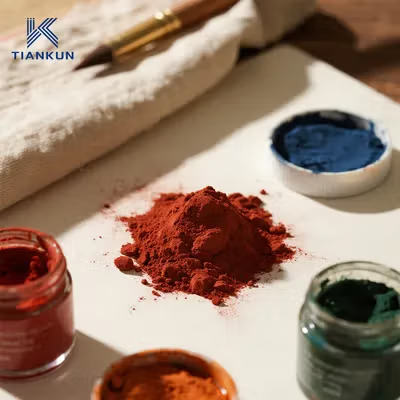
The significance of vat dyes lies in their ability to create fabrics with exceptional resistance to washing, light, and rubbing. These qualities make them particularly suitable for textiles that demand longevity and high aesthetic value, including denim, cotton garments, and industrial fabrics. In addition to durability, vat dyes offer flexibility in design and production, supporting a wide range of shades and tones through blending and precise formulation. As global demand for high-quality, long-lasting textiles grows, vat dyes continue to remain indispensable in both traditional and modern fabric manufacturing.
Advancements in textile chemistry have also expanded the palette and efficiency of vat dyes. Modern vat dye formulations include eco-friendly and low-impact options that reduce the environmental footprint of textile processing. By minimizing the use of harsh chemicals and incorporating sustainable production techniques, vat dyes now support responsible textile manufacturing without compromising performance or aesthetic quality.
Can Vat Dyes Improve Fastness and Color Uniformity?
One of the key advantages of vat dyes is their superior fastness properties. Fabrics dyed with vat dyes resist fading from washing, exposure to sunlight, and friction, ensuring a lasting appearance even after repeated use. This makes vat dyes ideal for high-demand applications, such as denim jeans, workwear, and upholstery, where color retention is essential.
The chemical reduction and oxidation process inherent to vat dyes creates strong fiber-dye interactions, which results in improved wash and light fastness. Unlike other dyes that may penetrate fibers superficially, vat dyes form an insoluble layer within the textile structure, minimizing the risk of color bleeding and degradation over time. Additionally, modern vat dyes are engineered to provide uniform shades, enhancing overall visual appeal and quality control across production batches.
Color uniformity is crucial for mass production, as inconsistencies can lead to significant material wastage and customer dissatisfaction. The precise formulation and application of vat dyes ensure that fabrics exhibit consistent and vibrant colors, even across large volumes of material. This property not only supports aesthetic standards but also enhances operational efficiency in textile manufacturing.
Can Vat Dyes Support Innovative Textile Applications?
Beyond traditional use in cotton and denim, vat dyes have proven adaptable to a wide range of textile applications. Advances in dye chemistry have expanded their compatibility to include synthetic and blended fibers, offering designers and manufacturers more versatility in fabric choice. Vat dyes can be combined with other dye classes, pigments, and finishing agents to achieve unique effects, such as shading, toning, and color gradients.
Innovative applications of vat dyes extend to technical textiles, home furnishings, and specialty fabrics. For example, vat-dyed fabrics with enhanced color fastness are used in industrial textiles, outdoor gear, and upholstery, where performance and longevity are critical. In addition, vat dyes are increasingly being employed in eco-conscious textile production, with low-impact dyeing processes that minimize water consumption and chemical use. This adaptability demonstrates the enduring relevance of vat dyes in modern textile engineering.
Technological advancements also allow vat dyes to integrate with digital and automated printing techniques, enabling precise color placement and complex designs. By combining traditional dyeing principles with cutting-edge manufacturing technologies, vat dyes provide a bridge between classic textile aesthetics and contemporary production demands.
Can Vat Dyes Promote Sustainability and Responsible Production?
Sustainability has become a central concern in textile production, and vat dyes are evolving to meet these environmental challenges. Modern vat dye formulations focus on reducing chemical load, minimizing wastewater impact, and utilizing safer processing techniques. Low-temperature dyeing, efficient fixation methods, and eco-friendly reducing agents help reduce the environmental footprint while maintaining the performance advantages of vat dyes.
The long-lasting nature of vat dyes also contributes to sustainability by extending the lifespan of textiles. Durable color retention reduces the frequency of re-dyeing, washing, and replacement, thereby conserving water, energy, and raw materials. By supporting both high performance and environmental responsibility, vat dyes align with the goals of sustainable textile manufacturing and meet consumer expectations for eco-conscious products.
Moreover, research in bio-based vat dyes and non-toxic auxiliaries is paving the way for even greener solutions. These innovations ensure that vat dyes continue to provide the rich, vibrant colors and fastness properties they are known for, while supporting global efforts to minimize industrial pollution and promote sustainable practices.
Conclusion
Vat dyes remain a vital component of modern textile production, offering unmatched color vibrancy, superior fastness, and adaptability across a range of fibers and applications. Their unique chemical properties allow for deep, uniform shades that withstand washing, light, and abrasion, making them ideal for high-quality garments, denim, home textiles, and industrial fabrics.
By integrating advancements in eco-friendly formulations, digital dyeing techniques, and sustainable practices, vat dyes continue to support innovation, efficiency, and environmental responsibility in textile manufacturing. The enduring relevance of vat dyes underscores their role in creating textiles that are not only visually appealing but also durable, functional, and environmentally conscious, bridging the gap between tradition and modern textile technology.

