

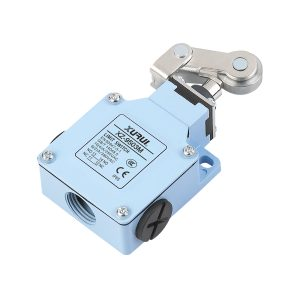
Overview of Limit Switches
A limit switch is a mechanical device that is used to detect the presence or absence of an object, or to monitor the position of a moving part within a machine or system. Essentially, it serves as a control tool that limits the motion of certain mechanical components, ensuring they do not move beyond a specified range. Limit switches are commonly employed in applications where precise control of movement or position is required.
The core function of a limit switch is to activate or deactivate an electrical circuit when a predetermined physical limit is reached. For example, in a conveyor system, a limit switch might be used to stop the movement of a belt when an object has been transported to the desired location. Similarly, in industrial machinery, limit switches can be used to ensure that parts do not move beyond certain limits, preventing damage to both the equipment and the operators.
Components and Mechanisms of Limit Switches
A typical limit switch consists of several key components, including a housing, a movable actuator, and electrical contacts. The actuator is usually a lever, roller, or plunger, which is activated by physical contact with a moving object or part of a machine. When the actuator is triggered, it causes the switch to either open or close, interrupting or completing an electrical circuit.
The housing of the limit switch protects the internal components and ensures the switch operates reliably in various environmental conditions. Limit switches are designed to be durable and can be sealed or protected from dust, moisture, or high temperatures, depending on the specific application.
The contacts within the limit switch are typically made of materials that can withstand wear and tear over time. These contacts may be either normally open (NO) or normally closed (NC), determining whether the circuit is completed or interrupted when the switch is activated.
Types of Limit Switches
Limit switches are available in various types, each designed to suit different applications and requirements. The most common types include:
Standard Limit Switches: These are typically used in basic applications where the primary function is to monitor and control mechanical movement. Standard limit switches can be found in many industries, including manufacturing, packaging, and material handling.
Heavy-Duty Limit Switches: Designed to handle harsh environments and high-impact applications, heavy-duty limit switches are built to withstand extreme conditions. They are commonly used in mining, construction, and other industries that involve large machines or rough environments.
Rotary Limit Switches: As the name suggests, these switches are used to monitor rotational movement. They are often employed in applications like cranes, hoists, and other systems that require rotational motion control.
Micro Limit Switches: These are smaller versions of the standard limit switch, often used in more compact machinery or precise applications. Micro Limit Switch are used in devices like printers, medical equipment, and robotics.
Each type of limit switch is tailored for specific use cases, ensuring that the system operates reliably and efficiently under the given conditions.
Applications of Limit Switches
Limit switches are essential in various industries and applications, ranging from basic machinery to complex automated systems. Some of the most common uses of limit switches include:
Conveyor Systems: In material handling and conveyor systems, limit switches are used to control the movement of belts and detect the position of objects. They help automate processes, reduce the need for manual intervention, and increase overall efficiency.
Industrial Machinery: Limit switches are widely used in manufacturing and industrial machinery to control the motion of machine parts. They ensure that moving components do not exceed safe limits, preventing damage or malfunction.
Automated Systems: In automated processes, limit switches act as sensors to control the position of robotic arms, conveyor belts, and other moving parts. By accurately detecting the position of components, limit switches help optimize production and reduce errors in automated systems.
Elevators and Lifts: Limit switches play a critical role in elevator systems by monitoring the position of the elevator car. They ensure that the car stops at the correct floor and that the door mechanisms function properly.
Automotive Systems: Limit switches are used in automotive applications, such as controlling the position of car windows, sunroofs, and seats. They help ensure that these components function correctly and safely.
Benefits of Limit Switches
Limit switches offer several advantages, making them a critical component in many systems and devices. Some of the key benefits include:
Precision and Accuracy: Limit switches provide precise control over mechanical movements, ensuring that components do not exceed or fall short of their intended range. This is particularly important in applications that require high accuracy, such as automated assembly lines or robotic systems.
Safety: Limit switches play a key role in safety by preventing machinery from operating outside of safe limits. This helps protect both equipment and operators from potential damage or injury, especially in industries that involve heavy machinery or hazardous processes.
Durability: Designed to handle various environmental conditions, limit switches are built to be robust and durable. They are made from high-quality materials that can withstand wear and tear, vibrations, and exposure to elements like dust, moisture, and extreme temperatures.
Versatility: Limit switches are highly versatile and can be used in a wide range of applications, from simple machines to complex automated systems. Their adaptability makes them an essential component in multiple industries, including manufacturing, robotics, automotive, and material handling.
Choosing the Right Limit Switch
When selecting a limit switch, several factors need to be considered to ensure optimal performance. These include the specific application, the environment in which the switch will operate, and the type of actuator required. The force required to trigger the switch, as well as the electrical specifications (such as voltage and current ratings), should also be taken into account.
It's important to select a limit switch that matches the level of precision needed for the application. For instance, a micro limit switch may be ideal for small machinery or precise applications, while a heavy-duty switch would be more appropriate for larger, more rugged equipment.
Conclusion
Limit switches are essential components that help control mechanical systems and ensure safe and precise operations in various industries. By monitoring the position of moving parts, limit switches play a key role in preventing accidents, improving efficiency, and enhancing safety. Whether in manufacturing, robotics, or automotive systems, limit switches are indispensable for maintaining the smooth operation of countless devices and machines. Understanding their function and applications can help you make informed decisions when selecting the right switches for your systems.

