

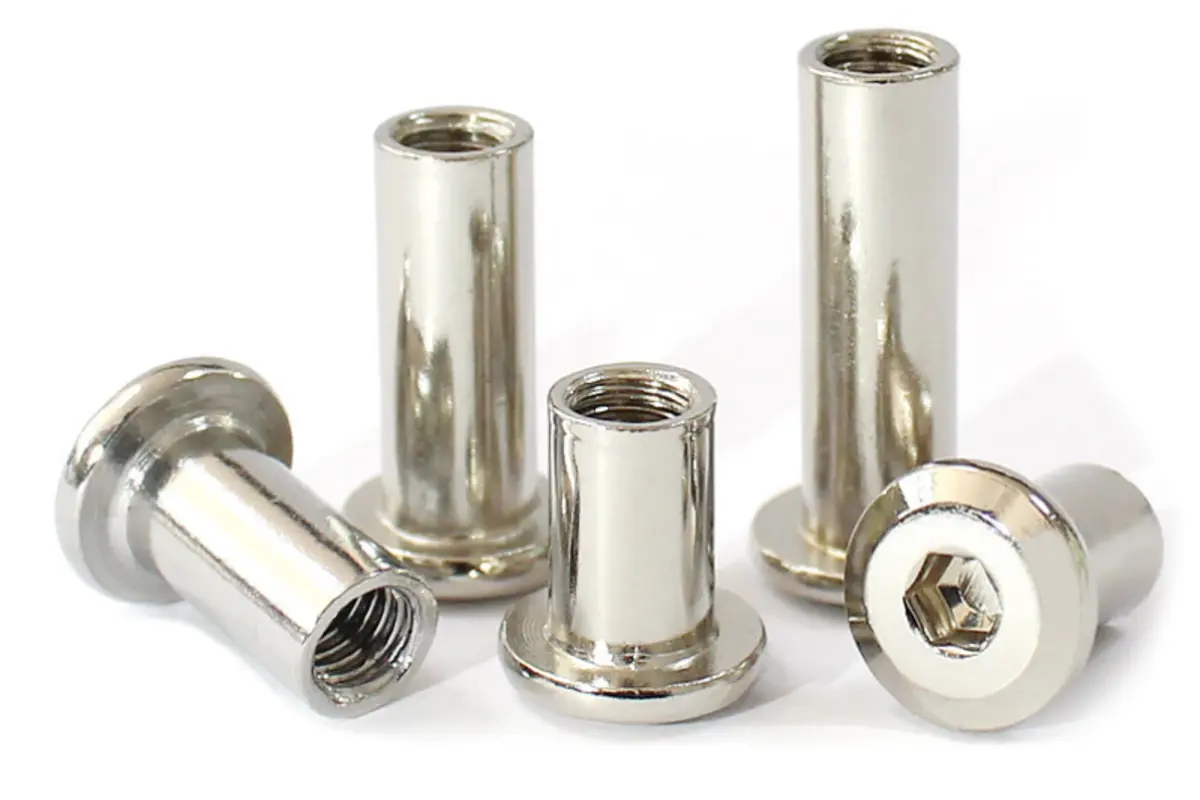
Whether assembling sheet metal components, automotive body panels, aircraft structures, industrial machinery, or construction frameworks, selecting the proper rivet contributes directly to product quality and reliability. A carefully planned fastening process improves structural integrity, reduces maintenance costs, and extends the service life of finished products. Modern industries rely on advanced riveting systems because they offer consistent performance while supporting efficient manufacturing processes.
A practical Rollyu rivet guide focuses on more than simply choosing a rivet size. It explains the importance of material compatibility, rivet type, installation techniques, corrosion resistance, and mechanical strength. Understanding these factors helps professionals achieve dependable fastening solutions for both lightweight and heavy-duty applications.
Selecting the Right Rivets for Reliable Assemblies
An effective Rollyu rivet guide begins with understanding the different rivet materials and their applications. Aluminum rivets are widely used because they are lightweight, corrosion-resistant, and easy to install. These rivets are commonly found in transportation equipment, HVAC systems, aluminum sheet fabrication, and electronic enclosures where reducing weight is an important design objective.
Steel rivets provide exceptional tensile strength and are preferred for demanding industrial environments such as heavy machinery, structural fabrication, commercial vehicles, and construction equipment. Stainless steel rivets combine outstanding mechanical performance with superior resistance to moisture, chemicals, and harsh weather conditions. Their excellent corrosion resistance makes them an ideal fastening solution for marine equipment, food processing facilities, outdoor structures, and industrial manufacturing plants.
Copper and brass rivets are also valuable for specialized applications requiring decorative finishes or electrical conductivity. These materials are commonly used in leather products, electrical assemblies, and architectural projects where both appearance and functionality are important.
Choosing the correct rivet dimensions is equally critical. Rivet diameter, grip range, and overall length should match the thickness of the materials being joined. Proper sizing ensures that the rivet expands correctly during installation, producing a strong and permanent mechanical connection without damaging surrounding materials. Engineers carefully calculate these specifications to maximize shear strength, tensile performance, and fatigue resistance throughout the product's service life.
Achieving Better Performance Through Proper Riveting
A professional Rollyu rivet guide also emphasizes selecting the appropriate rivet style for each application. Blind rivets remain one of the most popular fastening solutions because they can be installed when only one side of the workpiece is accessible. Their versatility makes them ideal for sheet metal fabrication, automotive repair, ventilation systems, household appliances, and metal enclosures.
Solid rivets continue to serve as the preferred fastening method in aerospace manufacturing due to their exceptional strength and long-term durability. Aircraft structures experience continuous vibration and changing loads, making high-quality permanent fastening essential for operational safety. Structural rivets are designed for applications requiring maximum load-bearing capacity, including bridges, industrial equipment, railway systems, and heavy transportation vehicles.
Environmental conditions significantly influence rivet performance. Outdoor installations demand corrosion-resistant materials capable of withstanding moisture, ultraviolet exposure, temperature fluctuations, and airborne contaminants. Stainless steel rivets and coated steel rivets provide excellent protection against corrosion while maintaining reliable mechanical performance over many years.
Industrial facilities exposed to chemicals or high temperatures require specialized fastening materials that preserve structural integrity even under demanding operating conditions. Selecting the correct rivet material ensures dependable performance while minimizing maintenance and replacement costs throughout the equipment's lifecycle.
Installation quality also determines fastening reliability. Manual rivet guns remain useful for maintenance work and small fabrication projects, while pneumatic, hydraulic, and automated riveting systems deliver greater consistency for large-scale manufacturing. Proper installation techniques reduce assembly defects while ensuring each rivet develops its full holding strength.
Building Long-Term Value with High-Quality Rivet Solutions
Following a detailed Rollyu rivet guide helps manufacturers improve production efficiency while creating stronger and longer-lasting products. Properly selected rivets distribute mechanical loads evenly across connected materials, reducing stress concentrations that may cause cracking, deformation, or premature joint failure. This contributes to improved product reliability and lower maintenance expenses throughout the product's operational life.
Modern manufacturing increasingly focuses on lightweight yet durable product designs. Advanced rivet technologies support this objective by providing high-strength fastening solutions without adding unnecessary weight. Automotive manufacturers, aerospace companies, and industrial equipment producers continue to adopt innovative rivet systems that improve both performance and manufacturing efficiency.
Permanent mechanical fastening also supports automated production environments. Precision-engineered rivets allow robotic installation systems to achieve consistent quality across thousands of assemblies while reducing labor costs and production time. This combination of efficiency and reliability makes riveting one of the most cost-effective fastening methods available today.
Continuous innovation has introduced improved rivet materials, advanced protective coatings, and enhanced installation technologies capable of meeting increasingly demanding engineering requirements. By evaluating factors such as material compatibility, environmental exposure, structural loading, and installation methods, professionals can confidently select fastening solutions that deliver dependable long-term performance.
Conclusion
A comprehensive Rollyu rivet guide provides valuable knowledge for selecting the most suitable fastening solution for a wide range of industrial, commercial, and fabrication applications. Understanding rivet materials, fastening methods, joint design, environmental conditions, and installation requirements helps ensure durable and secure mechanical connections. Whether working with sheet metal fabrication, automotive manufacturing, aerospace engineering, construction projects, or industrial machinery, choosing the right rivet improves structural integrity, increases product lifespan, and enhances overall manufacturing quality. With careful planning and proper rivet selection, reliable and long-lasting fastening performance can be achieved across virtually every modern engineering application.

