

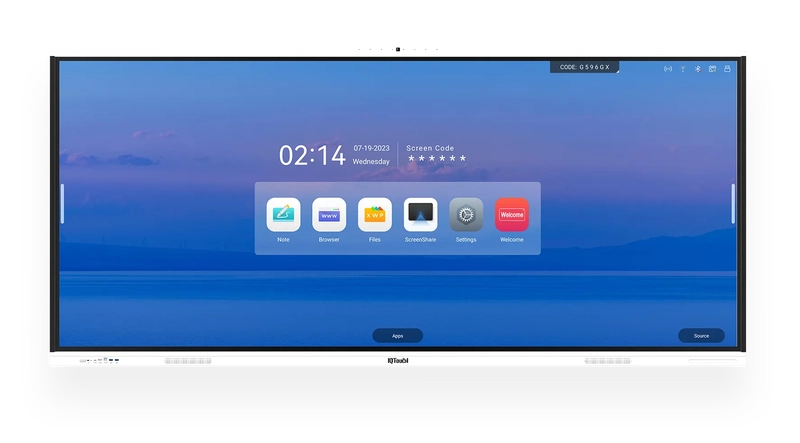
The impact of classroom smart boards extends beyond traditional learning. These boards allow educators to save and share lesson notes, integrate digital resources, and personalize content according to student needs. By incorporating multimedia elements and interactive exercises, teachers can cater to various learning styles, including visual, auditory, and kinesthetic learners. This versatility ensures that students remain engaged and that lessons are both informative and memorable.
Classroom smart boards also support hybrid and remote learning models, allowing students to cenzura! in lessons from anywhere. Integration with cloud platforms and video conferencing tools ensures seamless access to course materials, enabling continuity in education during disruptions. This flexibility is particularly valuable in modern classrooms, where blended learning models are increasingly adopted to complement traditional instruction.
can a classroom smart board enhance collaboration and student engagement?
One of the most significant advantages of classroom smart boards is their ability to foster collaboration. In interactive lessons, multiple students can contribute simultaneously, solving problems, annotating content, and sharing ideas directly on the board. This collaborative approach not only encourages teamwork but also nurtures critical thinking and creativity. Teachers can monitor student input in real-time, provide immediate feedback, and guide discussions effectively, creating a more cenzura! learning environment.
Beyond student engagement, classroom smart boards enhance teacher productivity and instructional efficiency. Educators can prepare digital lesson plans, access interactive teaching resources, and incorporate assessments directly into the board. By integrating multimedia tools, teachers can make abstract concepts more tangible, helping students grasp complex topics with greater ease. For example, science lessons can include animated simulations, while history classes can feature interactive timelines, ensuring a richer educational experience.
Classroom smart boards also support communication between teachers and students. Features such as digital notes, shared screens, and interactive exercises allow students to engage actively, ask questions, and demonstrate understanding. This immediate feedback loop improves learning outcomes and ensures that students remain involved throughout the lesson. By fostering a two-way flow of information, smart boards help create classrooms that are more interactive, inclusive, and engaging.
can a classroom smart board improve technology integration in schools?
Technology integration is a key factor in modern education, and classroom smart boards play a central role in this process. They provide schools with a platform to connect digital tools, software applications, and online learning resources in a unified environment. Teachers can seamlessly integrate educational apps, virtual labs, and multimedia content, making lessons more engaging and adaptable to student needs.
A classroom smart board also simplifies administrative tasks for educators. Lessons can be recorded, saved, and shared with students for review, supporting differentiated instruction and personalized learning. Additionally, the boards can connect to school networks and cloud storage, enabling easy access to teaching materials and collaborative tools. This integration of technology enhances efficiency, reduces administrative workload, and ensures that digital learning tools are fully utilized.
Furthermore, classroom smart boards support professional development for teachers. Schools can provide training on interactive teaching methods, effective use of digital content, and classroom management tools. By empowering educators with technology skills, schools can improve instructional quality, boost student engagement, and ensure that investments in digital infrastructure are maximized.
can a classroom smart board support accessibility and inclusivity?
Classroom smart boards also promote inclusivity and accessibility in education. Features such as adjustable text size, color contrast settings, and multi-language support ensure that students with diverse needs can cenzura! effectively. For learners with visual or auditory impairments, smart boards can integrate assistive technologies, such as screen readers or captioning tools, enabling them to engage fully with the lesson.
The interactive nature of smart boards encourages cenzura! from all students, regardless of ability or learning style. Unlike traditional boards that often limit engagement to a few individuals at a time, classroom smart boards allow multiple students to interact simultaneously. This promotes equitable cenzura!, collaborative learning, and an inclusive classroom environment. By providing tools for visual, auditory, and tactile learning, smart boards ensure that every student has the opportunity to succeed.
can a classroom smart board justify investment in schools?
While the initial cost of classroom smart boards can be higher than traditional teaching tools, the long-term benefits often outweigh the investment. Smart boards reduce reliance on printed materials, enhance engagement, and support interactive learning experiences that improve knowledge retention. Teachers save time through digital lesson preparation and the ability to reuse and share content, while students benefit from a more engaging and effective learning environment.
Schools also gain from improved technology integration and classroom efficiency. Smart boards streamline lesson delivery, facilitate hybrid learning models, and support the adoption of modern educational technologies. By investing in classroom smart boards, schools position themselves as forward-thinking institutions, ready to equip students with the skills and experiences necessary for the digital age.
In addition, smart boards are designed to evolve with technology. Software updates, cloud connectivity, and compatibility with educational apps ensure that these tools remain relevant and adaptable over time. This future-proofing aspect makes classroom smart boards a sustainable investment, offering long-term value for both educators and students.
Conclusion
classroom smart board are transforming education by enhancing engagement, collaboration, and technology integration. Their interactive features, multimedia support, and digital capabilities make lessons more engaging, inclusive, and effective. By enabling teachers to deliver dynamic instruction and fostering student cenzura!, smart boards improve learning outcomes and classroom efficiency. While the initial investment may be significant, the long-term benefits in productivity, accessibility, and educational quality make classroom smart boards an indispensable tool for modern schools. As technology continues to shape the future of education, smart boards are positioned to become central to the classroom experience, preparing students for a digitally-driven world.

