

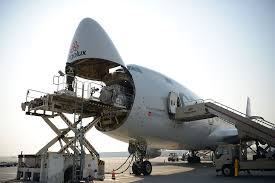
Understanding the Air Silk Road
The Air Silk Road draws inspiration from the ancient Silk Road, a historic network of trade routes that connected the East to the West, enabling the exchange of goods, culture, and ideas. However, unlike its predecessor, the Air Silk Road operates in the air, offering a faster and more efficient mode of transport for modern trade.
With the growing demand for quicker delivery times, especially for high-value or time-sensitive goods, air cargo has become increasingly important. The Air Silk Road aims to establish a global network of direct air routes that connect key regions such as Asia, Europe, and the Middle East, reducing the reliance on traditional maritime and land routes. This air corridor is expected to increase the speed and reliability of global trade, particularly in industries such as electronics, pharmaceuticals, and luxury goods.
Key Drivers of the Air Silk Road’s Development
Several factors contribute to the rise of the Air Silk Road and its potential impact on global trade. One of the most significant factors is the rapid growth of e-commerce, which has created an urgent demand for faster shipping solutions. As consumers expect quick delivery times, businesses are increasingly relying on air transport to meet these demands. Additionally, industries that require the quick movement of perishable goods or high-value items stand to benefit from faster air freight services.
Technological advancements also play a critical role in the development of the Air Silk Road. Improvements in aircraft technology, such as fuel-efficient planes, larger cargo holds, and improved air traffic control systems, are making air freight more feasible and cost-effective. The rise of smart logistics and real-time tracking also enhances the efficiency of air transport, allowing businesses to monitor their shipments in real-time and adjust their strategies accordingly.
Economic Impact of the Air Silk Road
The Air Silk Road has the potential to bring significant economic benefits to countries and regions that are part of this new trade network. For countries in Central Asia, the Middle East, and Europe, the Air Silk Road offers greater access to markets that were previously difficult to reach. With more efficient air cargo routes, these countries can increase exports, attract foreign investment, and stimulate local economies.
Furthermore, the Air Silk Road promotes regional integration by connecting businesses and markets that were once distant from each other. It opens up new opportunities for cross-border collaboration, trade partnerships, and investment, benefiting not only major economies but also emerging markets.
In addition to stimulating trade and investment, the Air Silk Road also has the potential to create thousands of jobs in sectors such as logistics, aviation, and infrastructure development. As countries invest in building and upgrading airports, cargo terminals, and customs facilities, local economies will benefit from increased employment opportunities.
Challenges Facing the Air Silk Road
While the prospects of the Air Silk Road are promising, several challenges must be addressed to ensure its success. One of the primary concerns is the need for infrastructure development. Many countries, particularly in less developed regions, will require significant investment in their airport and cargo handling infrastructure to accommodate the increased volume of air freight.
Another challenge lies in the regulatory complexities of international trade. Customs procedures, tariffs, and regulations vary significantly between countries, and harmonizing these processes will be essential to avoid delays and bottlenecks along the Air Silk Road. Additionally, security concerns related to air cargo must be addressed to ensure the safe and secure movement of goods across international borders.
Lastly, environmental concerns are another factor that cannot be ignored. While air transport is faster, it is also more energy-intensive and has a larger carbon footprint compared to other modes of transport. To mitigate these effects, there will need to be a focus on sustainability, such as the development of more eco-friendly aircraft and the implementation of greener logistics practices.
The Future of the Air Silk Road
Looking ahead, the Air Silk Road is poised to become a crucial component of global trade infrastructure. As countries continue to invest in air transport technologies and improve logistical systems, the air-based trade route will become increasingly efficient, faster, and more reliable. With the rise of automation, drones, and artificial intelligence in logistics, it is possible that the Air Silk Road will continue to evolve, further enhancing the speed and efficiency of global supply chains.
The future of the Air Silk Road also holds the potential for greater collaboration between governments, businesses, and international organizations. By working together to address regulatory challenges, improve infrastructure, and enhance security protocols, the stakeholders involved in the Air Silk Road can ensure its long-term success.
Conclusion
The Air Silk Road is more than just a concept; it represents a bold vision for the future of global trade. By offering faster, more reliable, and efficient transportation options, the Air Silk Road has the potential to reshape international commerce. While there are challenges to overcome, the benefits it offers in terms of economic growth, regional integration, and business opportunities are substantial. As the world continues to embrace new technologies and streamline trade processes, the Air Silk Road could become the key to unlocking new markets, driving innovation, and fostering economic prosperity worldwide.

