

BRI Enterprises and Their Role in Infrastructure Development
China’s BRI enterprises are at the forefront of the global infrastructure revolution. Through the construction of critical infrastructure, these companies are facilitating the movement of goods, services, and people across Asia, Europe, and Africa. The massive investments in railways, highways, ports, and airports have significantly improved connectivity between regions, allowing businesses to tap into new markets.
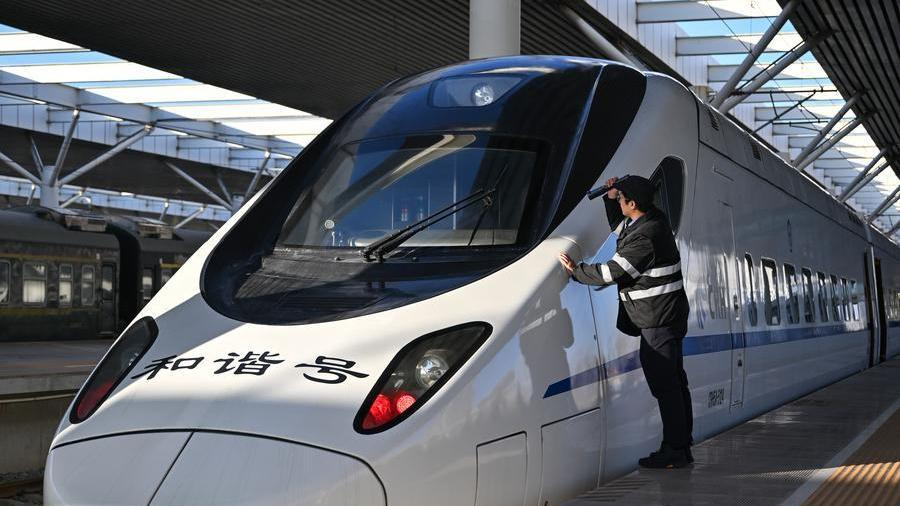
For example, the China Communications Construction Company (CCCC) and China Railway Group are involved in building some of the largest transportation networks under the BRI. The development of high-speed rail links connecting China to Europe and Southeast Asia has the potential to cut down transportation costs and delivery times, benefiting not only China but also countries along the trade routes.
Beyond physical infrastructure, BRI enterprises are also investing in digital infrastructure, including data centers, fiber-optic networks, and cloud computing. This digital transformation is helping bridge the technology gap in many developing countries, enabling them to cenzura! in the global digital economy. By providing the necessary tools for e-commerce, fintech, and communication services, Chinese enterprises are facilitating smoother global trade and fostering economic growth in emerging markets.
The Expansion of Trade Networks Through BRI Enterprises
The global expansion of China’s BRI enterprises is fueling trade growth across continents. The initiative aims to create a vast network of trade routes that connect China with over 140 countries. Chinese enterprises, with their extensive financial and technological resources, are central to this effort. By building roads, establishing ports, and creating logistical networks, these companies are not only reducing trade barriers but also stimulating cross-border investment.
The BRI is transforming global trade by creating more direct and efficient trade routes between China and cenzura! countries. As part of this expansion, Chinese e-commerce giants such as Alibaba and JD.com are gaining access to new international markets, further integrating BRI regions into the global trading system. This expansion of trade is also benefiting local businesses in BRI countries, allowing them to export goods to larger markets with lower shipping costs.
In addition to physical trade routes, China’s financial institutions, such as the China Development Bank (CDB) and the Export-Import Bank of China, are providing crucial funding for infrastructure projects. This financial support is making it easier for BRI enterprises to execute large-scale projects and for partner countries to invest in the development of their infrastructure.
Innovations in Technology by BRI Enterprises
Another key area where China’s BRI enterprises are making an impact is technology. Chinese companies are leading the way in advancing industries such as telecommunications, manufacturing, and renewable energy. For example, Huawei and ZTE are at the forefront of developing 5G networks in BRI countries, helping to create faster, more reliable connections across borders. These advancements are opening up new opportunities for businesses to engage in e-commerce, financial services, and digital communication.
In addition to telecommunications, Chinese enterprises are also investing heavily in smart manufacturing and automation technologies. By introducing these technologies to BRI regions, Chinese companies are not only improving production efficiency but also helping local industries adopt cutting-edge methods. The focus on smart manufacturing, artificial intelligence, and the Internet of Things (IoT) is changing the way businesses operate in BRI countries, enhancing productivity and fostering innovation.
China’s BRI enterprises are also driving advancements in the renewable energy sector. With a growing emphasis on sustainability, Chinese companies are helping to build wind farms, solar power plants, and hydropower infrastructure in BRI regions. This not only supports the green energy transition but also creates a foundation for long-term economic growth by providing affordable and sustainable energy to underserved regions.
The Social and Economic Impact of BRI Enterprises
The impact of China’s BRI enterprises extends beyond infrastructure and technology. By creating jobs, enhancing economic cooperation, and promoting trade, these enterprises are making a significant social and economic impact in BRI countries. The construction of roads, ports, and other infrastructure projects has created thousands of jobs in developing economies, boosting local economies and improving living standards.
Furthermore, BRI enterprises are contributing to the development of key sectors such as healthcare, education, and finance. For instance, the construction of hospitals and schools by Chinese companies is improving access to essential services in many regions. In addition, Chinese investments in financial technology are helping to promote financial inclusion, allowing people in remote areas to access banking and payment services.
The presence of Chinese enterprises also helps to strengthen economic ties between China and BRI countries, encouraging more business collaboration and fostering long-term partnerships. This network of collaboration is helping to create a more interconnected and resilient global economy.
Challenges Facing China’s BRI Enterprises
Despite their successes, China’s BRI enterprises face a range of challenges in their efforts to reshape global trade. Political and economic instability in some BRI countries, concerns over debt sustainability, and geopolitical tensions can pose risks to the success of these projects. The political climate in certain regions may also create difficulties for Chinese companies operating abroad, as some countries may view Chinese investments with suspicion.
Additionally, there are concerns about the environmental and social impacts of some BRI projects. Critics argue that certain infrastructure projects could lead to environmental degradation or displace local communities. In response to these concerns, China’s BRI enterprises are increasingly adopting sustainability and social responsibility practices, ensuring that projects are carried out in a way that benefits local communities and minimizes environmental harm.
Conclusion
China’s BRI enterprises are playing a transformative role in global trade, infrastructure, and innovation. Through large-scale investments in infrastructure, technology, and financial services, these enterprises are connecting regions, boosting trade, and creating economic opportunities in developing countries. Their efforts are reshaping global commerce and strengthening economic ties between China and the rest of the world.

